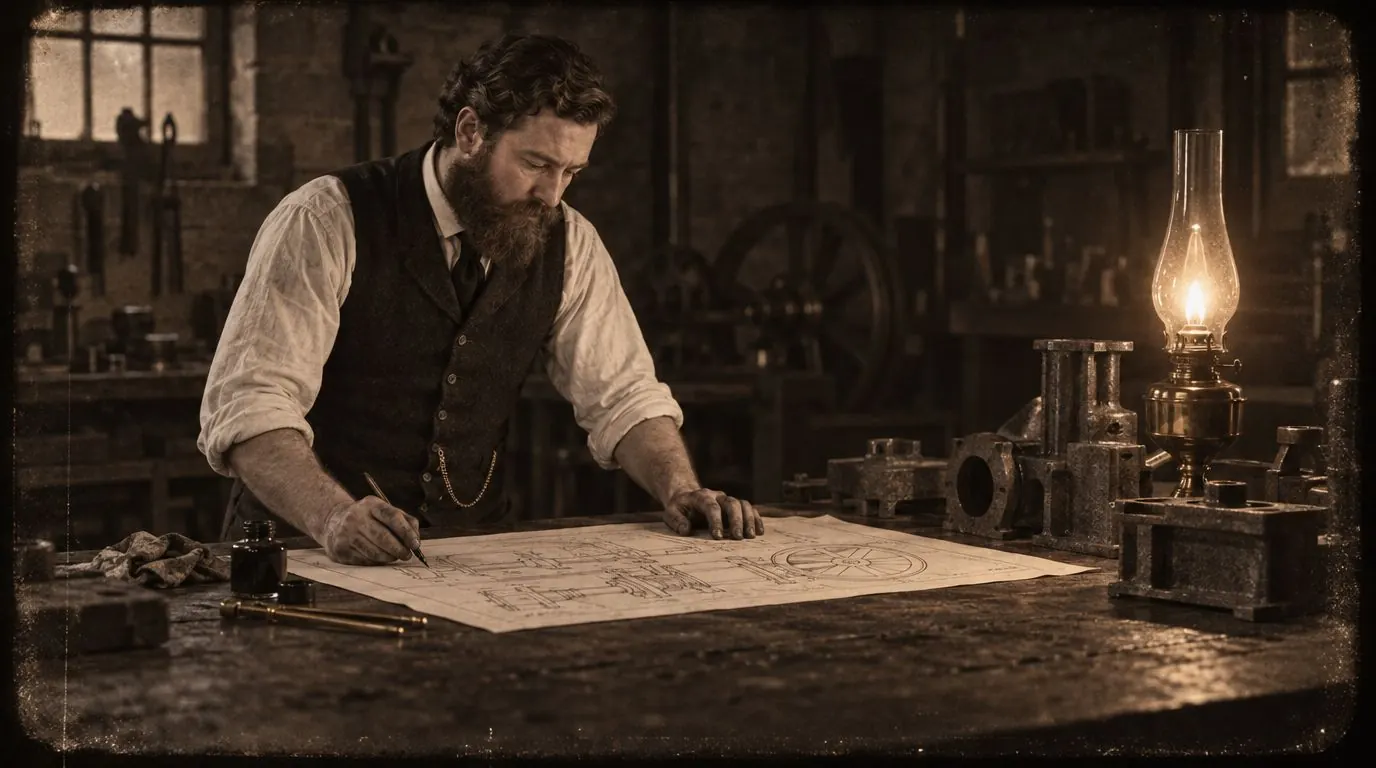
1876 · Cologne-Deutz
…an engineer has an idea.
On the shop floor of the gas engine works in Cologne-Deutz, Nicolaus August Otto's first four-stroke engine runs in 1876. No corporation, no data centre: one engineer, a drawing board, an oil lamp. In German, the principle is still called the Otto engine.
What remainsThe best ideas are born on the shop floor.
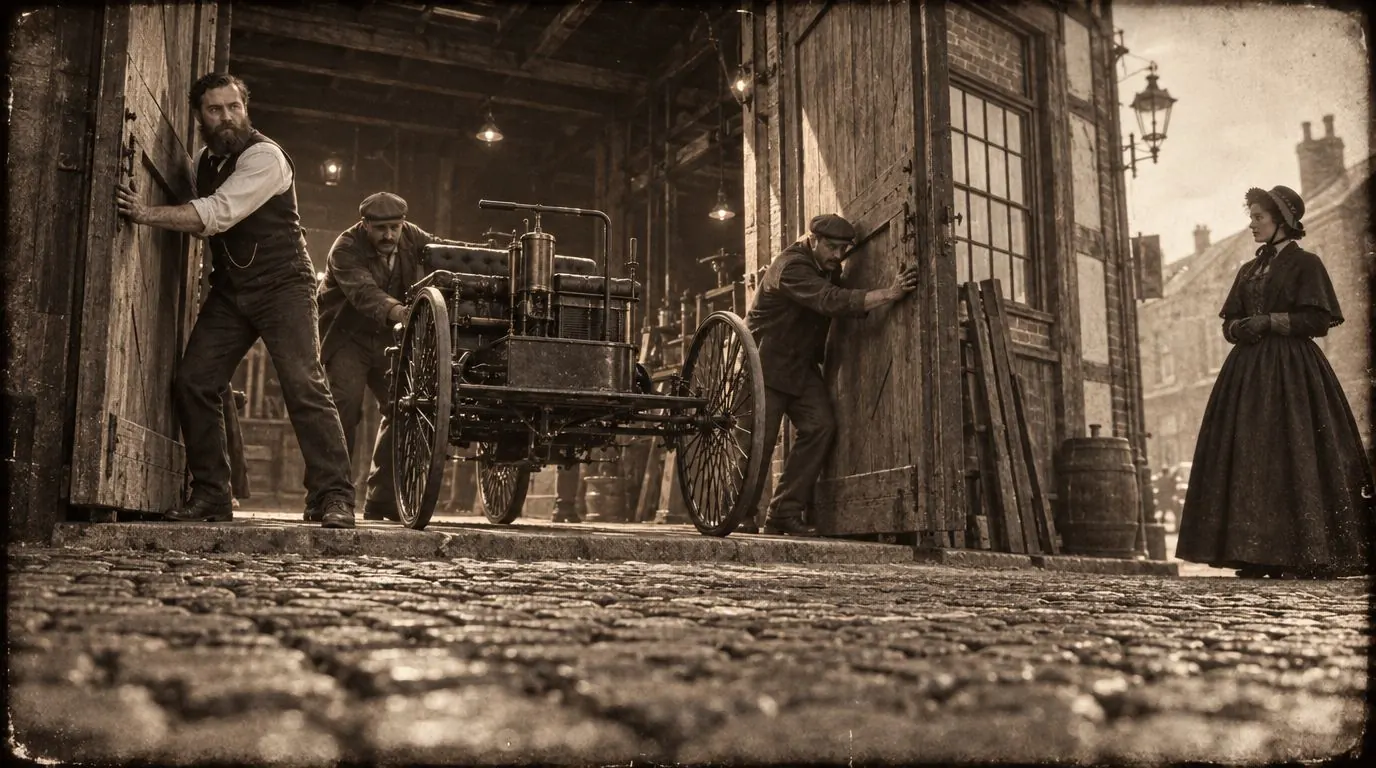
1886 · Mannheim
…an idea starts to move.
On 29 January 1886 Carl Benz files the patent for the first motor car in Mannheim, and on 3 July he drives it in public along the Ringstraße. From the shop floor to the street: a drawing becomes a product.
What remainsAn idea only becomes innovation once it starts to move.
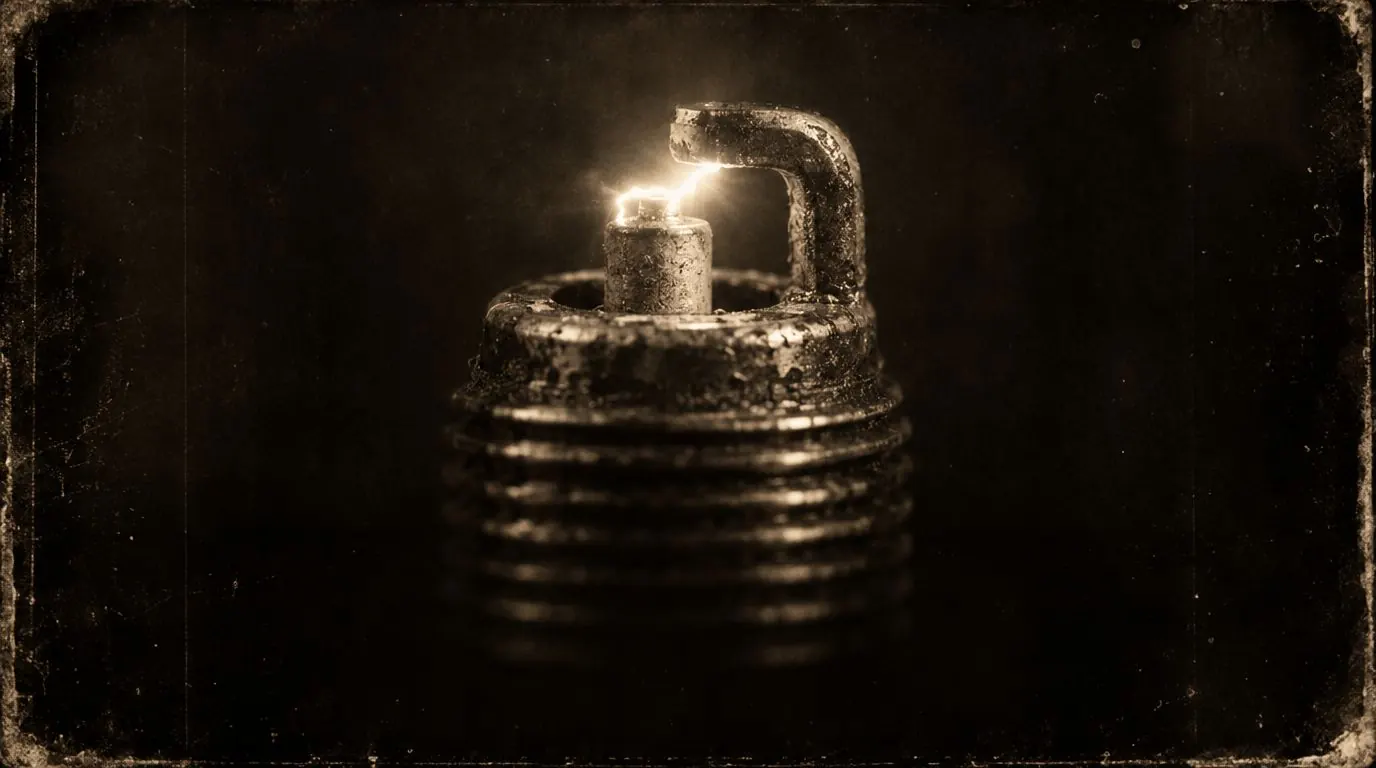
1902 · Stuttgart
…a spark changes everything.
In Stuttgart, Gottlob Honold at Robert Bosch develops high-voltage magneto ignition with a spark plug; the patent is filed in 1902. The spark plug was really just a by-product, and it still fires in almost every petrol engine today.
What remainsOften it is the smallest part that brings the breakthrough.
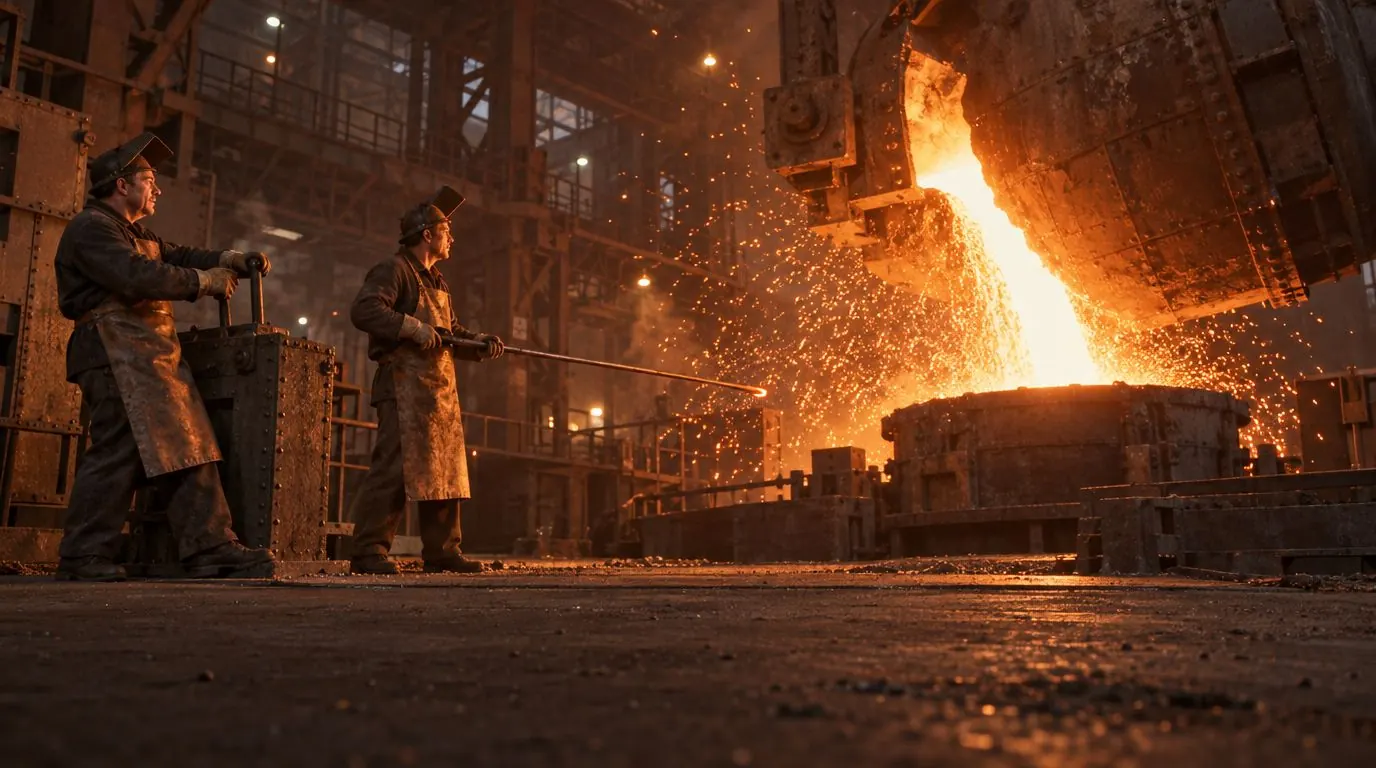
1952 · Linz
…courage meets fire.
On 27 November 1952, the world's first LD steel is tapped in Linz: 30 tonnes from the new oxygen blowing process. Named after Linz and Donawitz, the principle now produces around two thirds of the world's steel.
What remainsWhoever questions old methods sets tomorrow's standard.
1970 · Paris
…borders become blueprints.
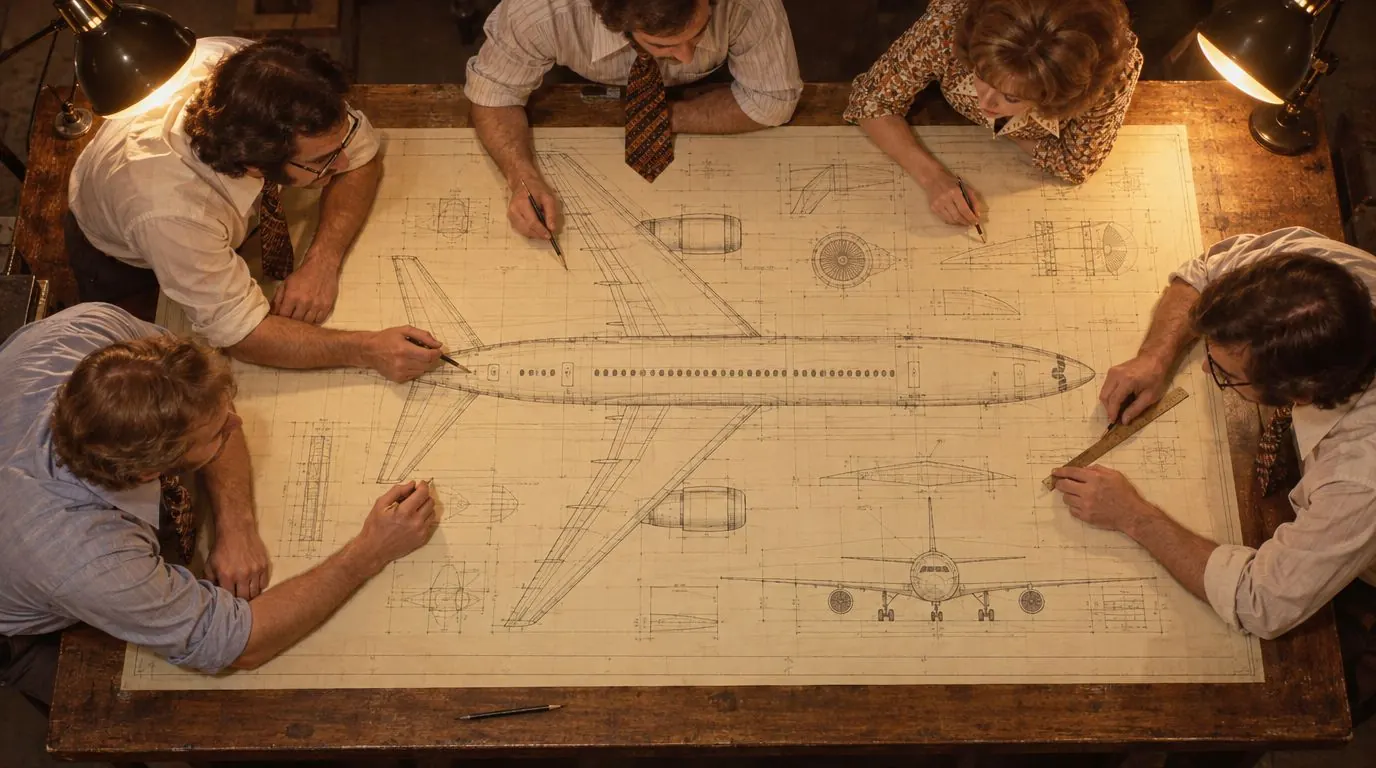
On 18 December 1970, a joint European aircraft maker is founded in Paris, first by France and Germany, with Spain joining a year later. In 1974 the headquarters moves to Toulouse. Engineers from several nations work on one blueprint and take on the world's best.
What remainsTogether, Europe builds what no one could build alone.
1973 · Augsburg
…machines start working with us.
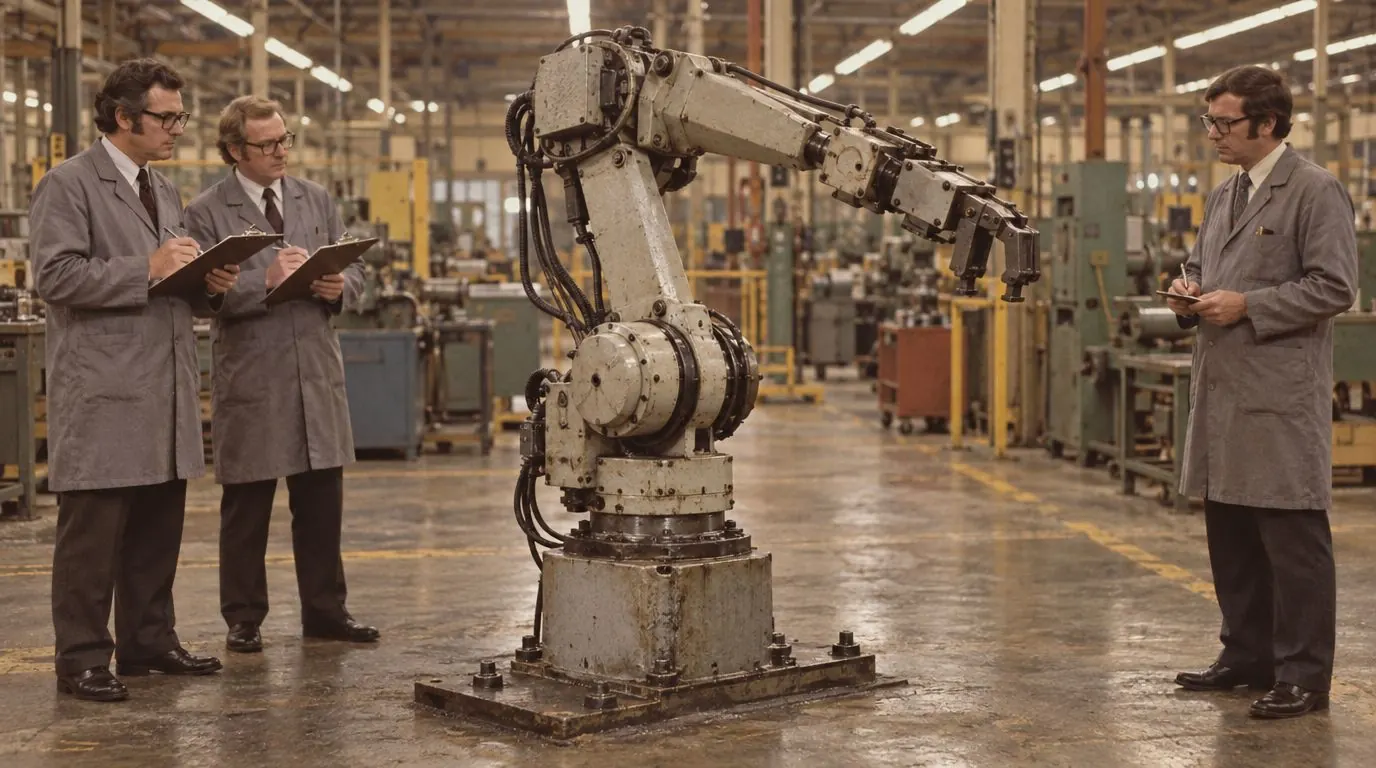
In Augsburg in 1973, the world's first industrial robot with six electromechanically driven axes is built. Automation arrives on the shop floor.
What remainsMachines do not replace skill. They multiply it.
2004 · Europe
…Europe grows together.
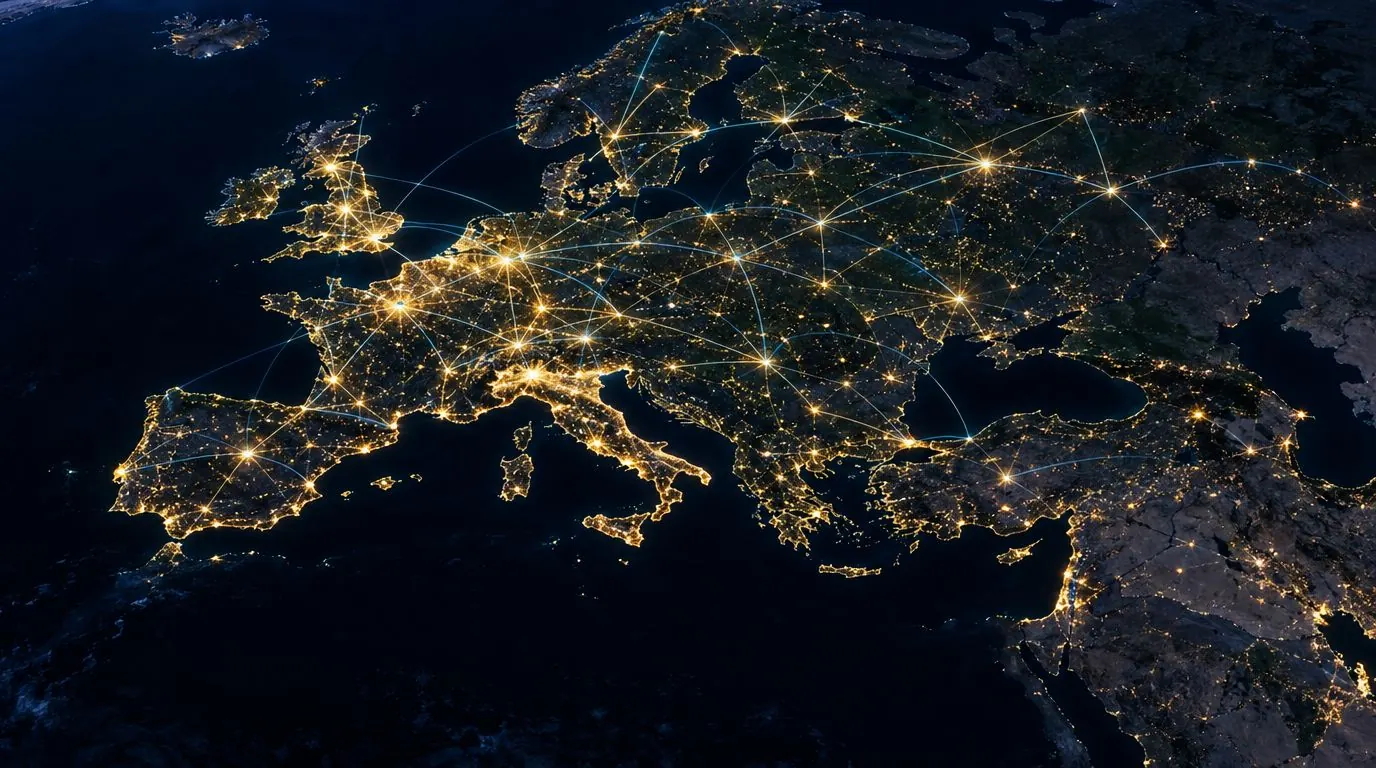
With the eastern enlargement, ten countries join the EU on 1 May 2004. Supply chains, plants and ideas grow together across old borders.
What remainsCentral Europe is now the heart of European manufacturing.
2012 · Prague
…ideas take shape.
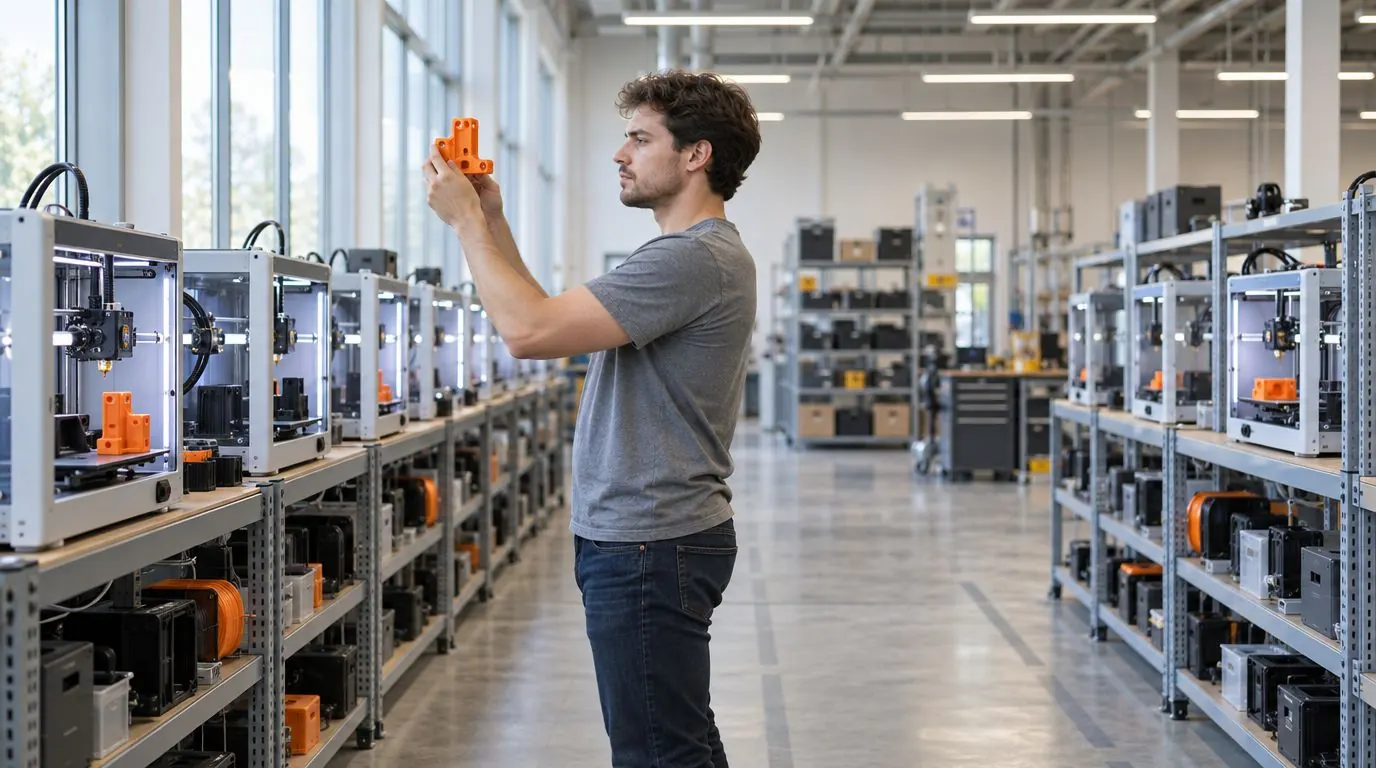
In 2012, student Josef Průša starts a one-man company in Prague for open-hardware 3D printers. Today more than 10,000 printers leave the Prague factory every month. Files become parts, overnight.
What remainsNew ideas come from every part of Europe.
2019 · Veldhoven
…precision reaches the atom.
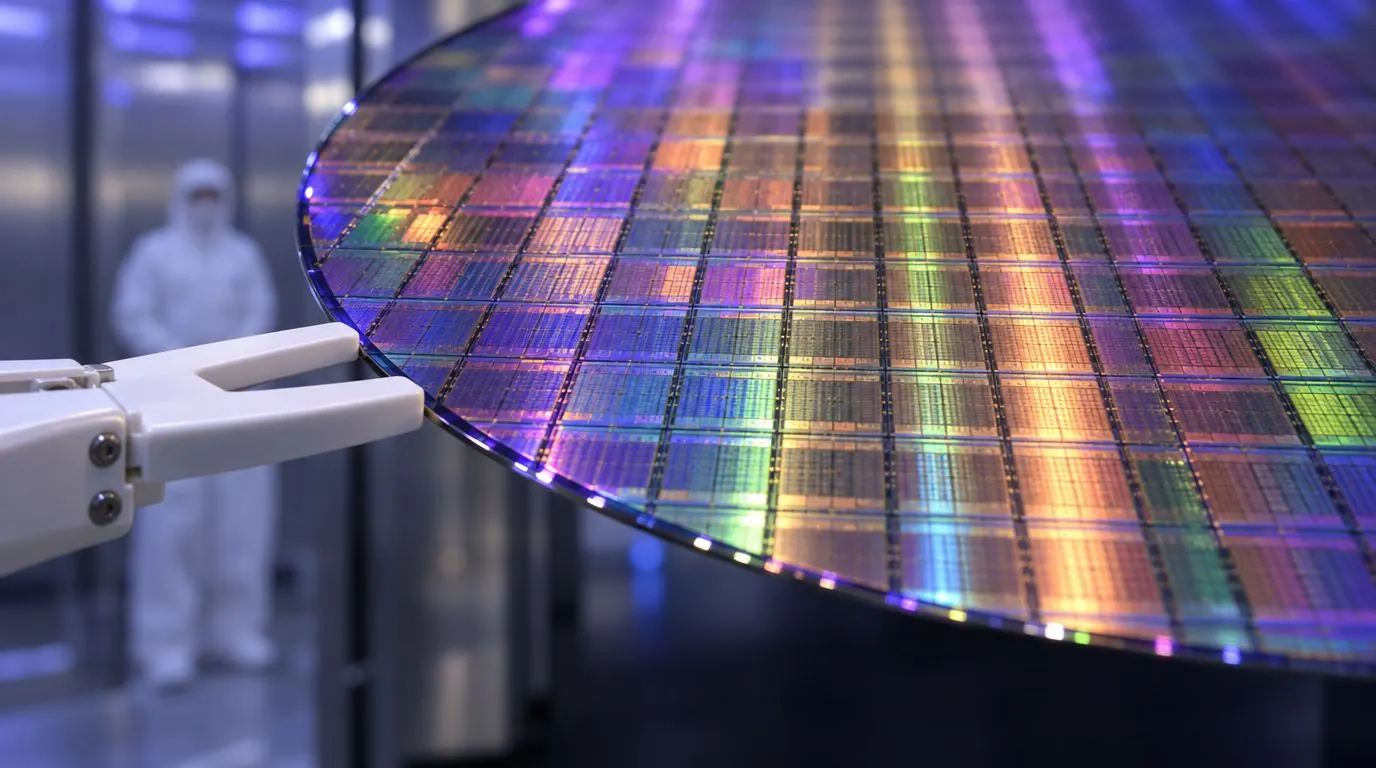
Veldhoven builds the EUV lithography systems that start volume production of the most advanced chips in 2019. The first smartphones with them are on sale that same year. The systems' optics and lasers come from Germany.
What remainsWithout European machines, there are no modern chips.
2022 · World
…machines learn to understand.
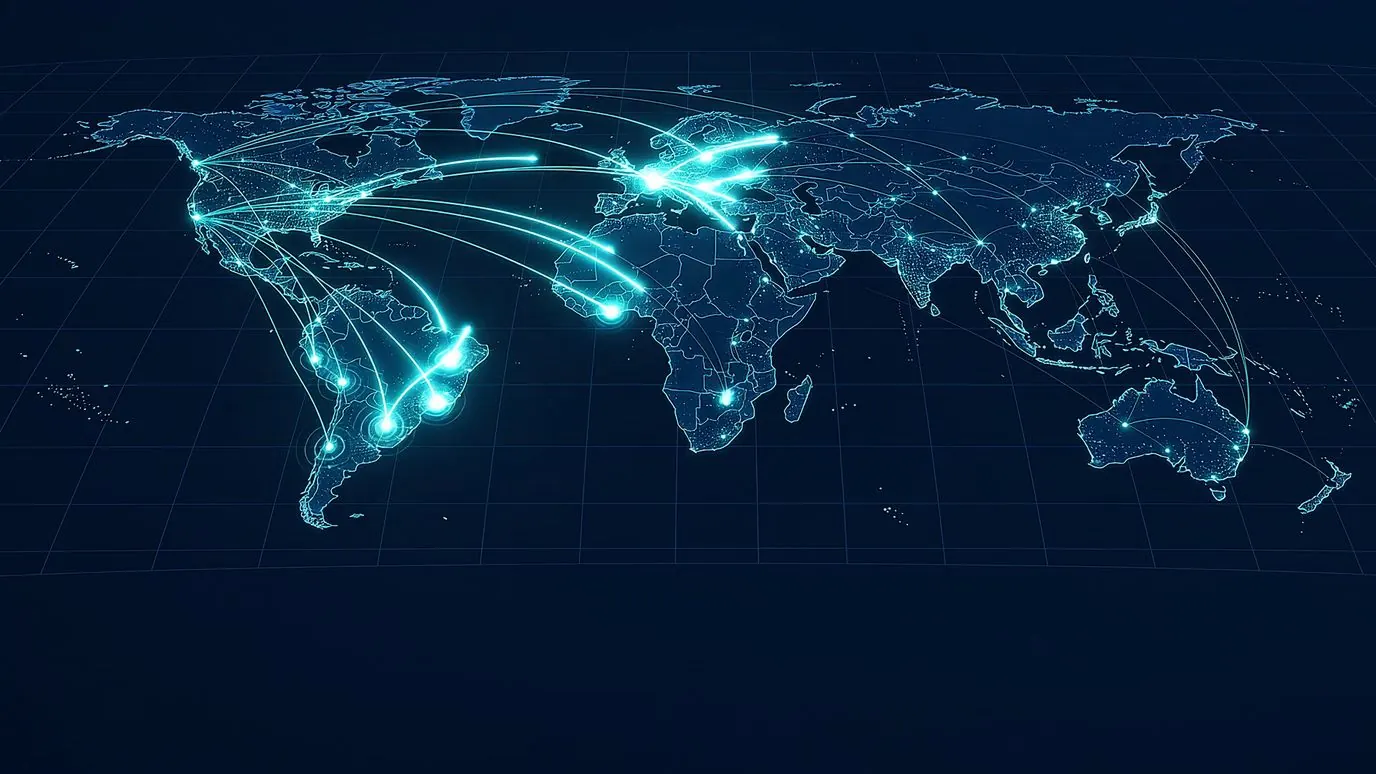
At the end of 2022, generative AI reaches millions of people, and the headlines come from Silicon Valley. But it does not always have to be Silicon Valley: LSTM, the memory behind language models, was created at TU Munich in 1997, and its co-inventor Sepp Hochreiter now does research in Linz. Translation AI from Cologne, language models from Paris, image models from Freiburg: Europe is already in the game.
What remainsEurope can build AI. Now it has to own it too.
The turning point
But who owns the intelligence?
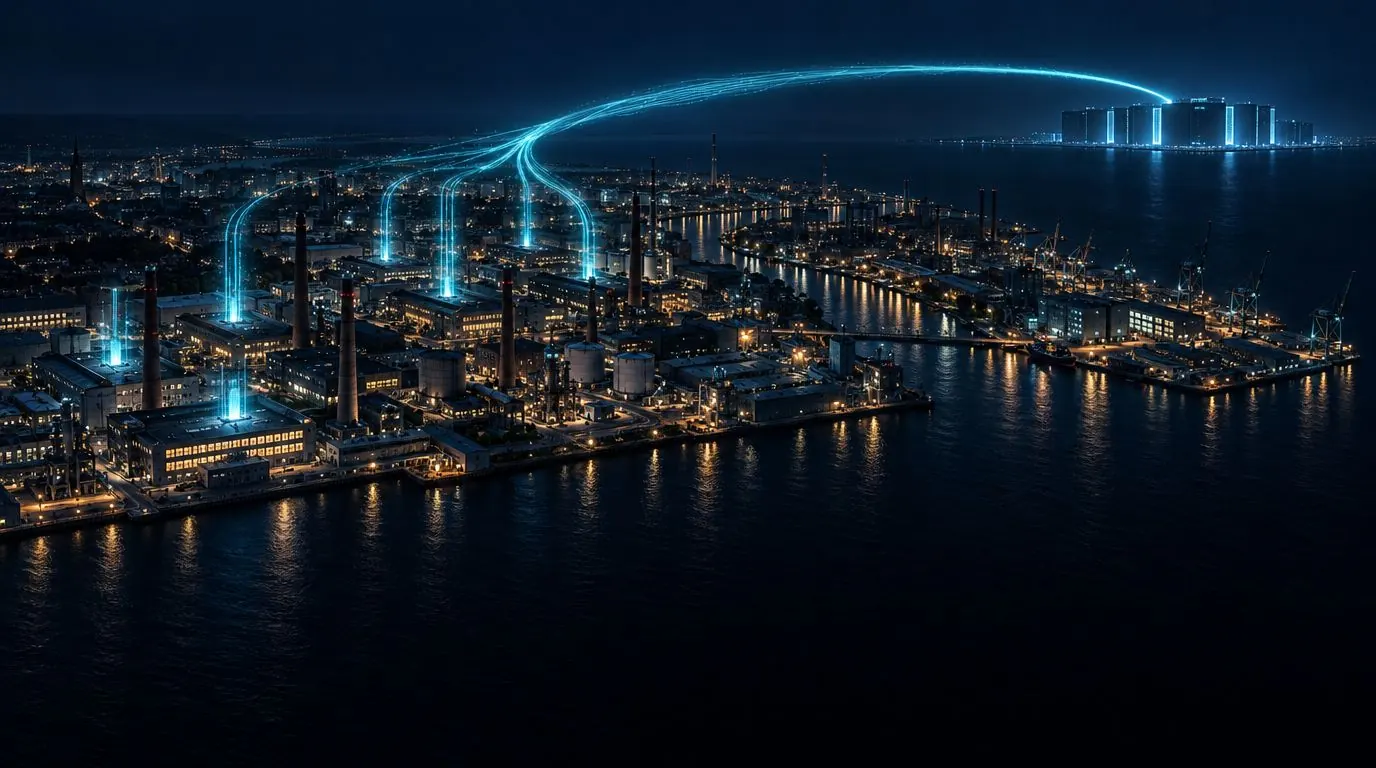
The data of Europe's plants flows to data centres far away. Engineering know-how, orders, experience: what made industry strong suddenly sits with someone else.
What remainsWhoever gives away their data gives away part of their future.
Today · Europe
Driven by efficiency. Guided by vision.
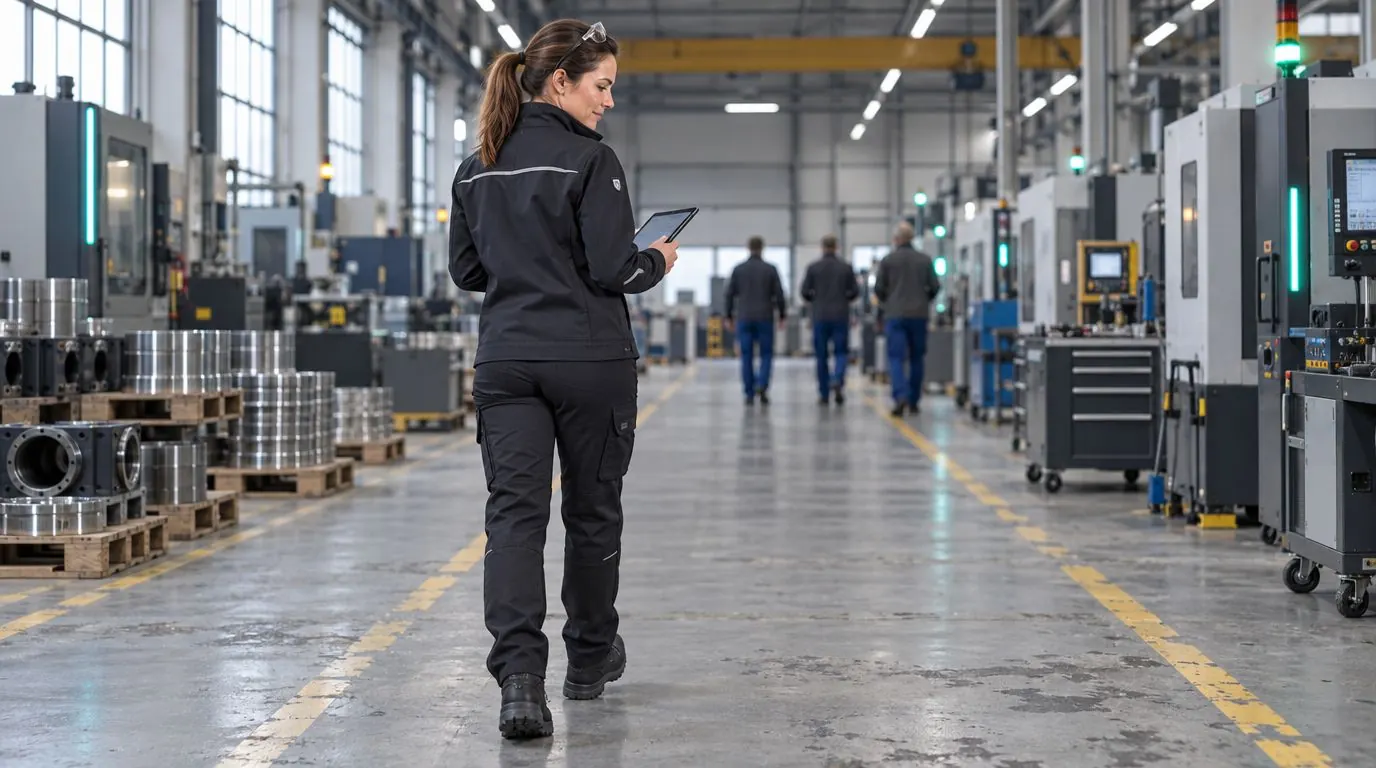
Mid-sized manufacturers need to plan faster, spot bottlenecks earlier and keep knowledge when experienced people retire. That takes AI that understands your own plant.
What remainsEfficiency is the goal. Independence is the prerequisite.
Today · Böhlerwerk
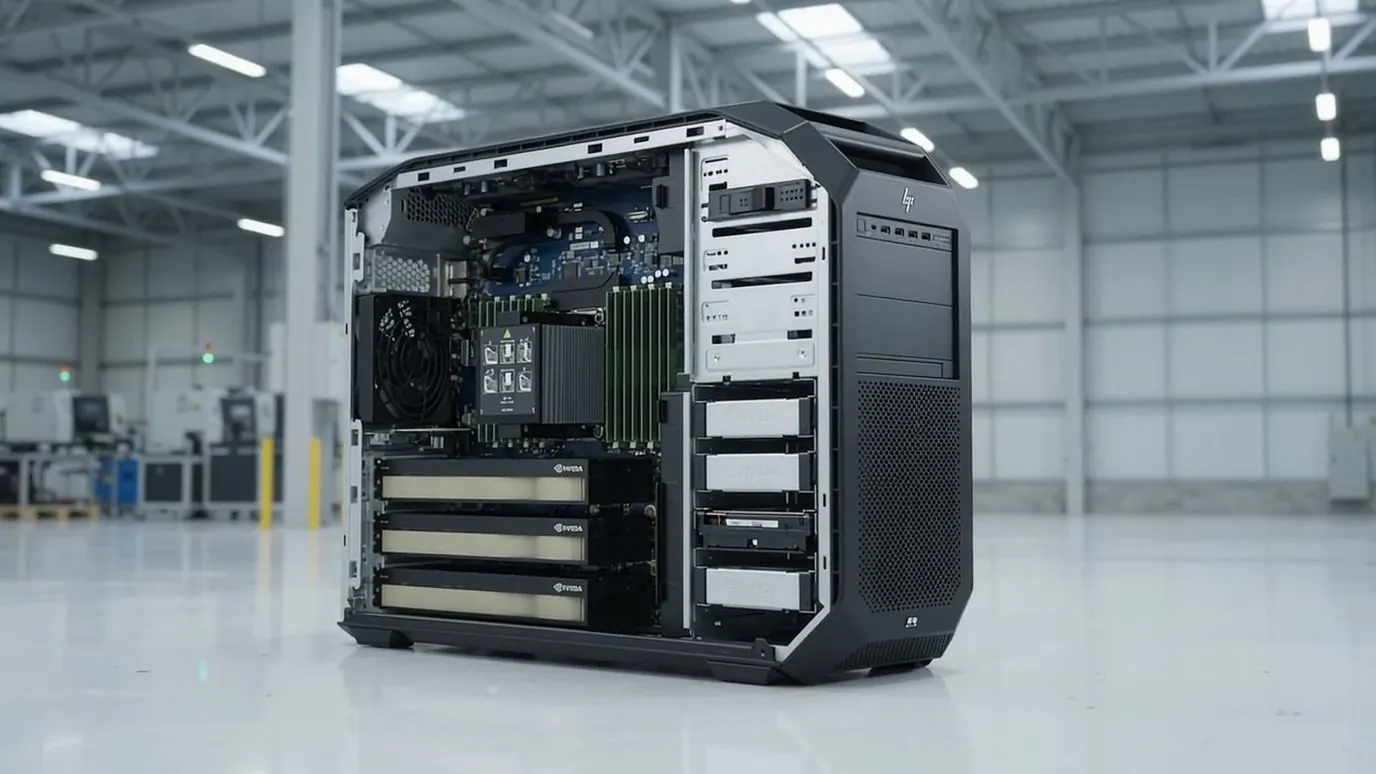
Intelligence, at home.
OPAIRS brings AI to where all great ideas were born: into your own plant. Your own hardware, your own models, and the data never leaves the building.
What remainsThe story continues. On your shop floor.